Preventive Maintenance Services
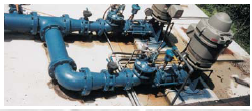
To complement our other services, we offer preventative maintenance plans tailored for your particular application. We collect current field data and compare it to the original design parameters and past test results, allowing us to track overall well or pump performance. Doing so enables us to better determine when rehabilitation, repair or maintenance is necessary, which in turn lessens the chance of water supply outages and extensive damage to components.
To avoid these costly occurrences, we will
plan a scope of work for your system
which may include:
• Periodic inspections and field data tests
ranging from checking the flow and head
capacity to checking the electrical amps.
• Determining well production and
specific capacity.
• Providing you with a report of test results
and recommended repairs, maintenance
or rehabilitation.
• Checking for excessive vibration OR other indications of potential malfunction.
• Changing the oil and packing, lubing the
motor and bearings.
Drilling Services
Our affiliates offer mud, rotary, air rotary, downhole hammer, and auger drilling methods. Services include Geotechnical Exploration, Environmental Drilling, Construction Drilling, Water Production Wells, Seismic Studies, Hydrogeological Surveys, Geophysical Logging and Well Abandonments.
Call us for your water supply needs and take advantage of our committing to complete customer satisfaction. Graves. . . for professional results. |
 |
 |
Video
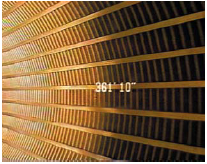
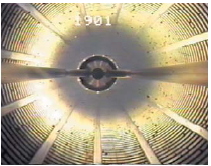
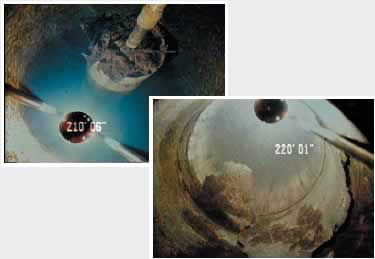
SurveysDownhole surveys provide a faster and effective means to inspect your well shaft for corrosion, encrustation, and assessing damage. Using state-of-the-art equipment, downhole inspection provides sharp, high resolution pictures to determine the condition of your well shaft or borehole. A taped record of the inspection is provided, as well as recommendations for corrective actions. Our downhole inspections can penetrate as deep as 3,600 feet and can be used on pipe as small as 2 inches in diameter. |
Downhole inspection can be used for:
• Locating sources and sand and gravel infiltration
• Identifying mineral encrustation
• Augmenting geophysical logging surveys
• Bacterial assessment
• Locating debris and tools
• Locating casing failure
• Depth reading
• Checking workmanship
• Providing photographic evidence
• Viewing downhole conditions
• Showing ground formation conditions
• Recording casing conditions
• Establishing status of well screens |
 |
|

